

Next year's iPhone 14 series is expected to feature a high-end model with a new titanium case design, jpmorgan said in a new investor note.
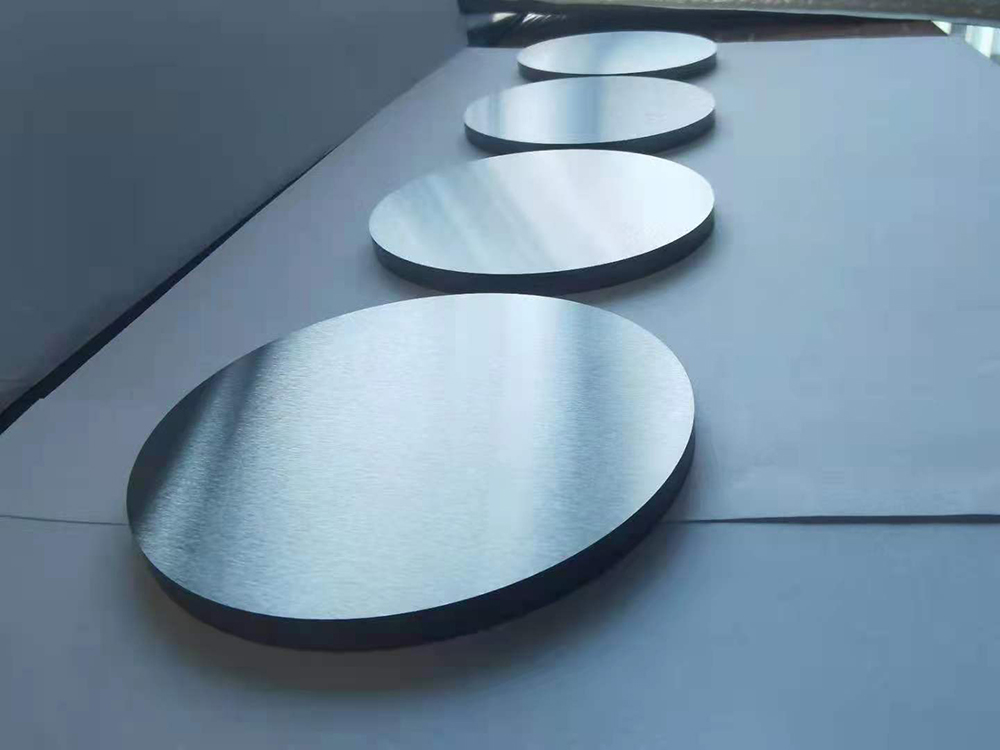
The report said it would be the first time Apple has used titanium in an iPhone, which has previously been used in some products such as the Apple Watch and Apple Card. The current iPhone is mainly made of aluminum and stainless steel.
Compared with aluminum and stainless steel, titanium has three advantages: one is relatively high hardness, more scratch resistance; Titanium is as strong as steel and stiff enough to withstand bending. Third, titanium is twice as strong as aluminum, but weighs less than aluminum and steel. Titanium is also more resistant to corrosion than other alloys.
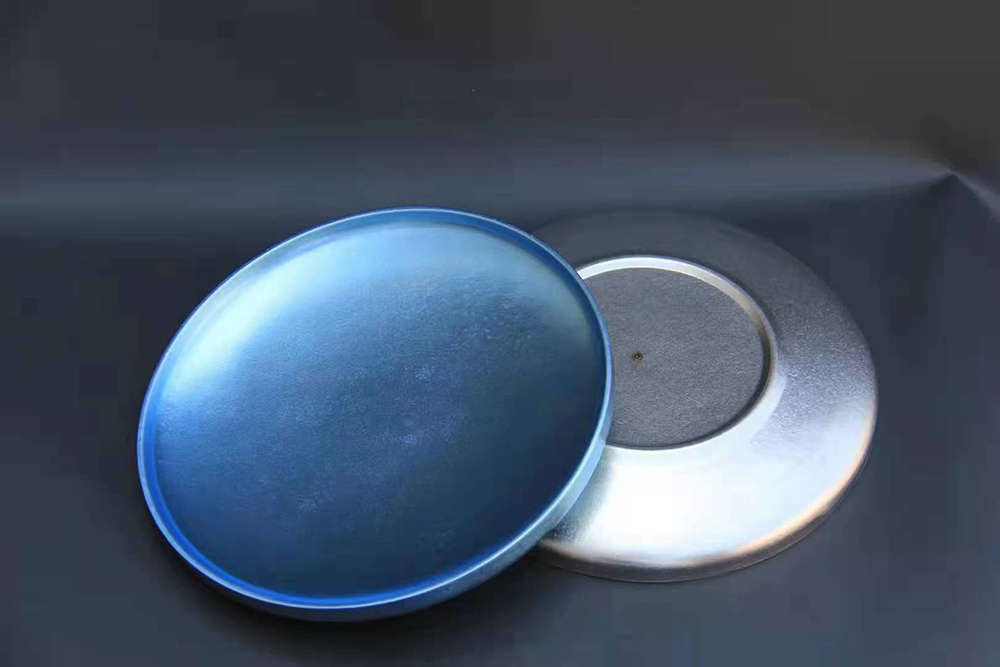
However, there are some drawbacks: exposed titanium and titanium alloy surfaces can easily produce fingerprint grease, which can leave unsassy marks on consumer devices; And titanium's hardness makes it hard to etch, making it less attractive.
As a result, Apple has been studying how to overcome both problems. Recent patent applications show that Apple is considering using thin oxide coatings on metal surfaces, which could significantly reduce the presence of fingerprints on devices. The company has also developed a sandblasting, etching and chemical process to give titanium enclosures a high-gloss surface finish that makes for a more attractive appearance.
According to the source, the iPhone 14's internal design will also be significantly changed from the iPhone 13 series, but the details are unclear. The titanium alloy is bound to have an impact on the interior space, and Apple may have to further compress the interior space to create an even thinner design.