

Titanium has an indissoluble relationship with aviation. In 1953, titanium was used for the first time on the engine pod and fire wall of DC-T aircraft produced by Douglas Company in the United States, thus opening the history of titanium aviation application. Since then, titanium has been used in aviation for more than half a century. Titanium is widely used in aviation because it has many valuable properties suitable for aircraft applications. Today we are going to talk about why titanium alloys are necessary for aerospace materials.
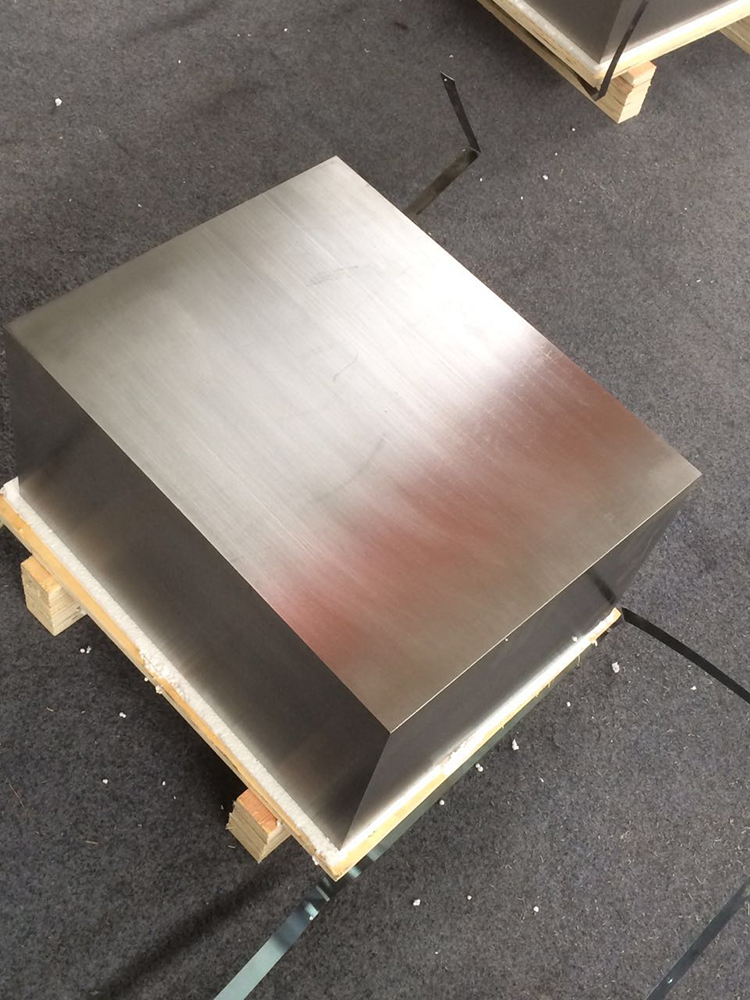
Introduction of Titanium
In 1948, The United States DuPont company used magnesium method into tons of production of titanium sponge - this marks the beginning of the industrial production of titanium sponge. Titanium alloy is widely used in various fields because of its high specific strength, good corrosion resistance and high heat resistance.
Titanium is abundant in the earth's crust, ranking ninth in content, well above common metals such as copper, zinc and tin. Titanium is widely found in many rocks, especially sand and clay.
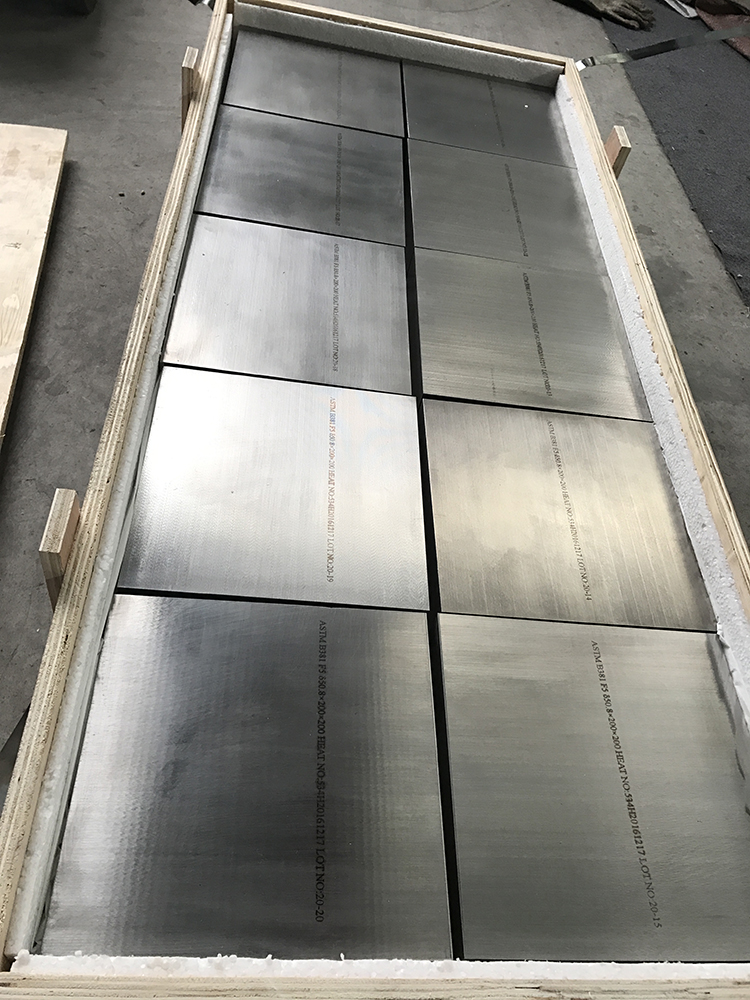
Characteristics of Titanium
High Strength:
1.3 times of aluminum alloy, 1.6 times of magnesium alloy, 3.5 times of stainless steel, the champion of metal materials.
High thermal strength:
the operating temperature is several hundred degrees higher than aluminum alloy, and it can work at 450 ~ 500℃ for a long time.
Good corrosion resistance:
acid, alkali, atmospheric corrosion resistance, pitting corrosion, stress corrosion resistance is particularly strong.
Good low temperature performance:
Titanium alloy TA7 with very low clearance elements can maintain certain plasticity at -253℃.
Chemical activity is big:
chemical activity is very high when high temperature, the gas impurity such as hydrogen, oxygen in easy and air produces chemical reaction, generation sclerosis layer.
Small thermal conductivity, small elastic modulus: thermal conductivity is about 1/4 of nickel, 1/5 of iron, 1/14 of aluminum, and the thermal conductivity of various titanium alloys is about 50% lower than that of titanium. The elastic modulus of titanium alloy is about half that of steel.
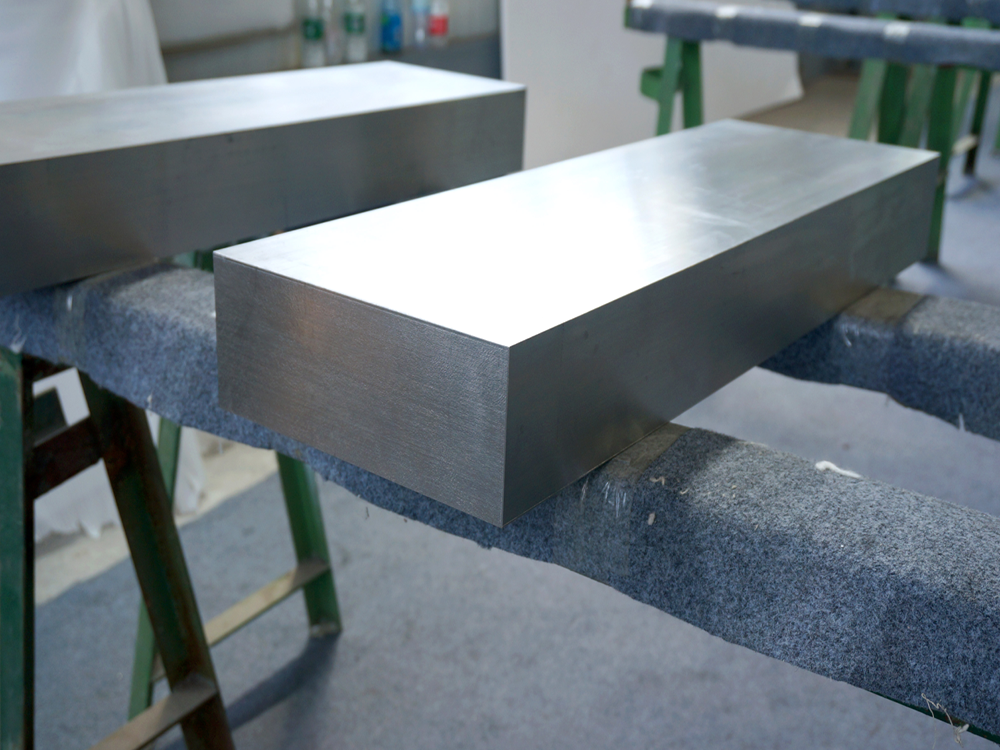
Titanium alloy is mainly used in aircraft and engine manufacturing materials, such as forged titanium fans, compressor discs and blades, engine hoods, exhaust devices and other parts, as well as structural frame parts such as girders and frames of aircraft. Spacecraft mainly use titanium alloy high specific strength, corrosion resistance and low temperature performance to manufacture a variety of pressure vessels, fuel tanks, fasteners, instrument straps, frames and rocket housing. Man-made earth satellite, lunar module, manned spacecraft and space shuttle also use titanium plate welding pieces.